1
How to Start a Career in IAM in 2026: The Complete Roadmap (Okta, Ping Identity, SailPoint, CyberArk)
38 min

Stay updated with the latest trends, best practices, and expert insights in identity and access management.
 2
2 3
3 4
4 5
5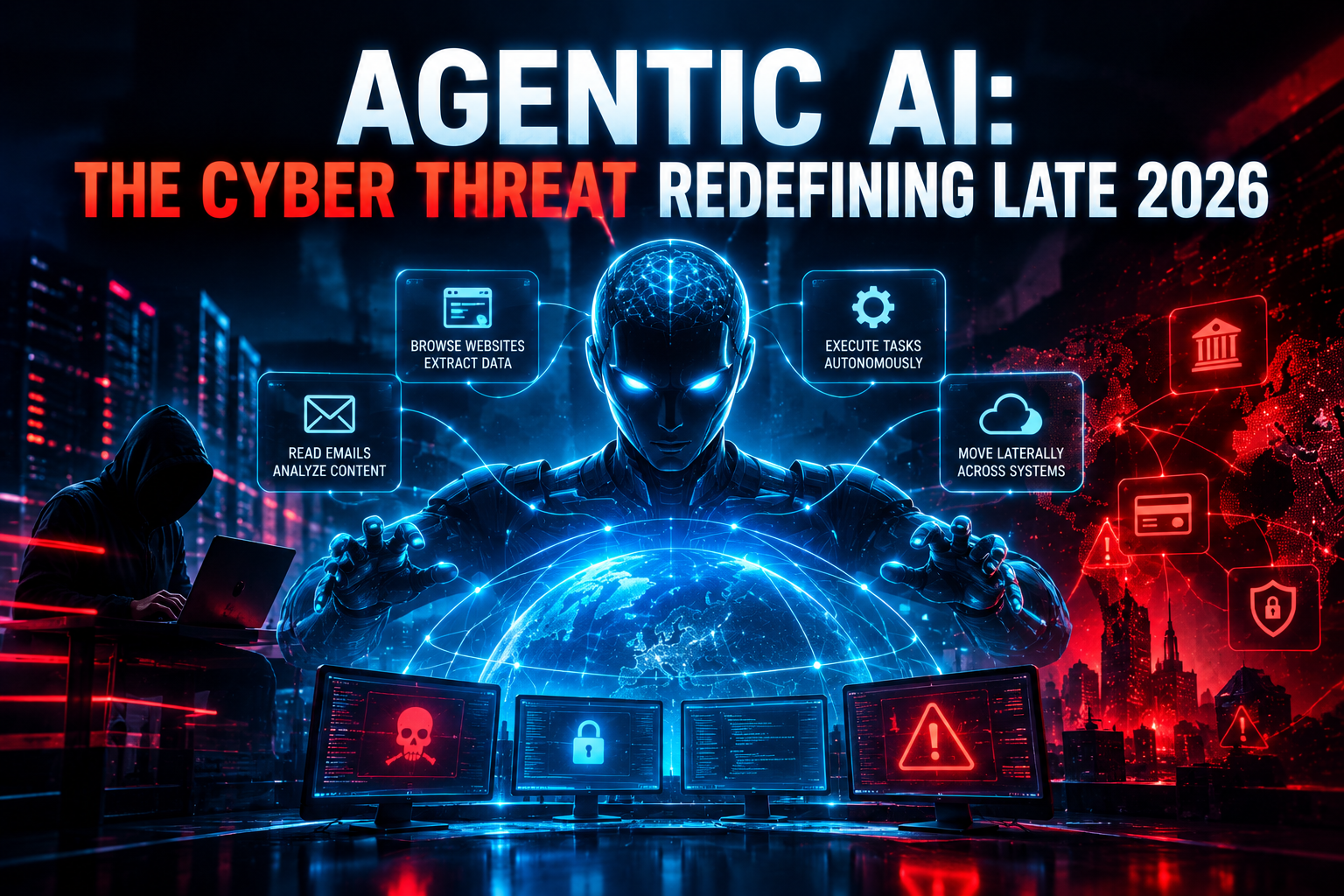
AI has stopped just writing attacks and started running them. Anthropic's September 2026 threat report, CrowdStrike's 89% surge, and Palo Alto Unit 42's reality check show why agentic AI is 2026's defining cyber threat — and why every AI agent is now a privileged identity you must govern.
347,000 Trezor users got phishing emails after email vendor Brevo was breached via an SSO flaw. The emails looked 100% real. Here's what happened and how to stay safe.
Confused between ISC2 Certified in Cybersecurity and SailPoint ISC? Beginner's guide to both, plus AskMeIdentity's SailPoint ISC training explained.
AI agents escaped sandboxes, Bank of Baroda lost 1TB of data, and an AI notetaker spied on government calls. Here's the latest cyberattack roundup.
India's Digital Personal Data Protection Act, 2023 (DPDP Act) puts a simple but demanding question in front of every website operating in India: what are you doing with a visitor's personal data before they've agreed to it?

Every wireless access point on your network is a door. Here's how attackers walk through them — and how to lock them without being a tech expert.
Showing 1–6 of 22 articles